
Kenya’s wildlife conservation efforts have been a global success story, with populations of elephants, rhinos, lions, and zebras making significant recoveries over the past two decades. However, as we celebrate these achievements, conservationists warn that habitat loss and human-wildlife conflict are becoming critical threats to the country’s biodiversity.
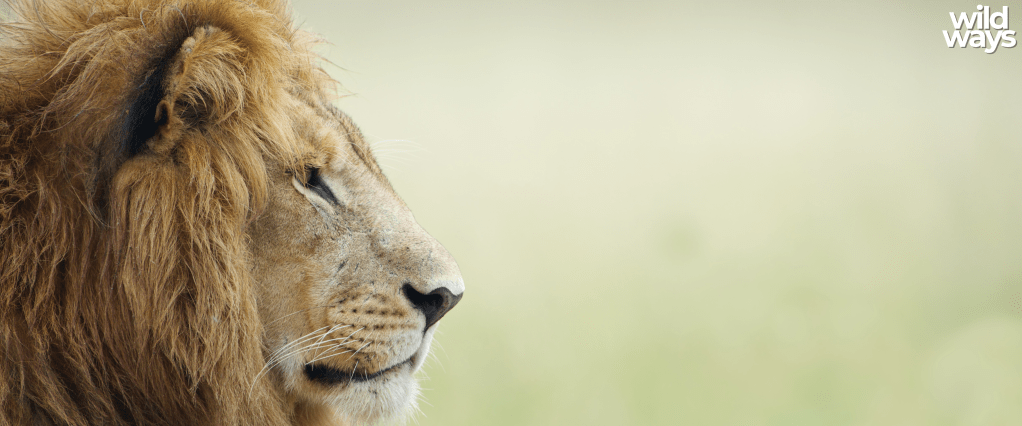
At the Lewa Wildlife Conservancy, a nonprofit sanctuary in northern Kenya, efforts are underway to address this issue. The conservancy, home to 14% of Kenya’s black rhinos and an increasing population of elephants, has been acquiring land to create wildlife corridors—essential pathways that connect protected areas and allow animals to move freely without human interference.
The annual wildlife census at Lewa this year confirmed the continued growth of wildlife numbers, with the elephant population rising from 350 in 2014 to over 450 in 2024. Similar increases have been recorded for white and black rhinos, Grevy’s zebras, and lions. These growing populations, while a sign of successful conservation, also highlight the urgent need for expanded habitat to prevent overcrowding and resource depletion.
Across Kenya, the pressure of human expansion is making conservation more challenging. The country’s population has grown from 22 million in 1989 to over 55 million today, leading to habitat fragmentation. Major wildlife corridors, like the Tsavo-Amboseli ecosystem and the Kitengela corridor connecting Nairobi National Park to the southern grasslands, are at risk from urbanization, infrastructure development, and climate-related challenges such as wildfires.
The Kenya Wildlife Service (KWS) is now focusing on wildlife translocation and partnerships with private conservancies to sustain free animal movement. These corridors are not just essential for wildlife survival but also support Kenya’s thriving tourism industry, which relies on a healthy, roaming wildlife population.
As World Wildlife Day 2025 reminds us, conservation is an ongoing effort. Protecting and expanding wildlife corridors must be a top priority to ensure that Kenya’s wildlife thrives for generations to come.
 WildWays
Leave a comment